performance characteristics
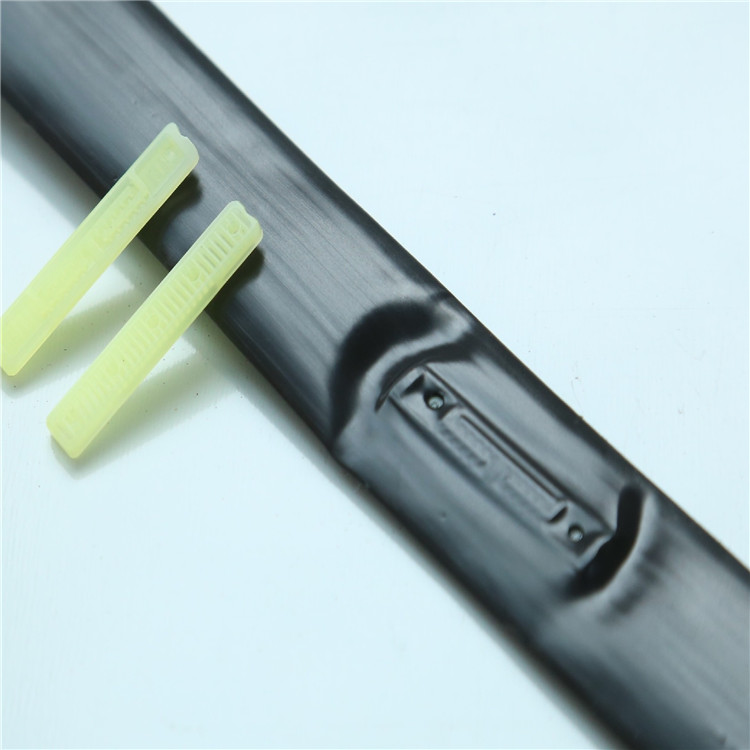
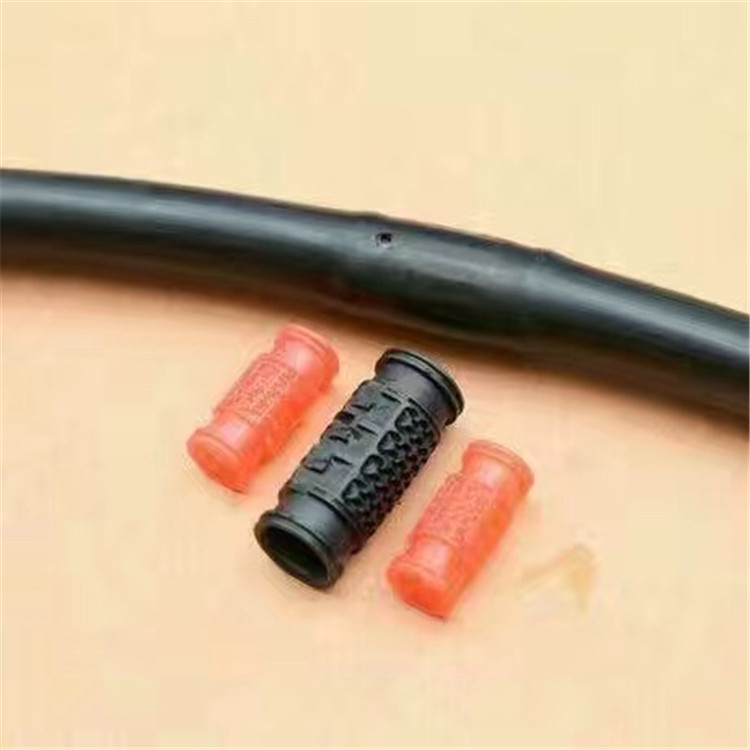
1. Labyrinth flow channels and drop holes are formed by one-time vacuum hot pressing, with good adhesion and high manufacturing accuracy.
2. Turbulent multi-outlet water, strong anti-clogging ability.
3. Labyrinth runner design, uniform water outlet, up to 85% or more, laying up to 80m.
4. Lightweight, easy installation and management, and low manual installation costs.
Two: Precautions for use
1. Protective requirements: do not throw or roll during handling, and it is strictly forbidden to load and unload brutally to avoid wear and tear and hard objects.
2. The stacking site should be flat, and protection should be paid attention to when storing the product. The label is outward, easy to identify, and must not be exposed to the sun.
3. The stacking site should have anti-rodent measures to avoid the drip irrigation belt being bitten by rats and other objects.
4. Soil requirements: When using products, non-standard models of drip irrigation belts should be selected according to different soil characteristics. The specifications and models should be based on the requirements of the engineering design drawings.
5. Planter requirements: Please check the planter carefully before laying this product, especially the guide ring, pressure pulley, and positioning wheel. It must be flexible and smooth, and there must be no burrs, welding slag, and other benefits to damage the dropper belt. The dropper belt should be placed flat on the ground to prevent external forces such as pulling, grinding, and scratching from causing damage to the drip irrigation belt.
Three: laying requirements
1. When laying, the convex surface of the palace flow channel of the single-wing labyrinth drip irrigation belt must be upward, and it is strictly forbidden to lay it in reverse. The inner patch drip irrigation belt has a patch surface upward.
2. When laying, the drip irrigation belt should not be pulled too tightly, and a certain amount of shrinkage should be allowed.
3. At the same time as laying, the quality of the drip irrigation belt should be carefully checked to see if there are any scratches, wear and tear and other damage to the drip irrigation belt.
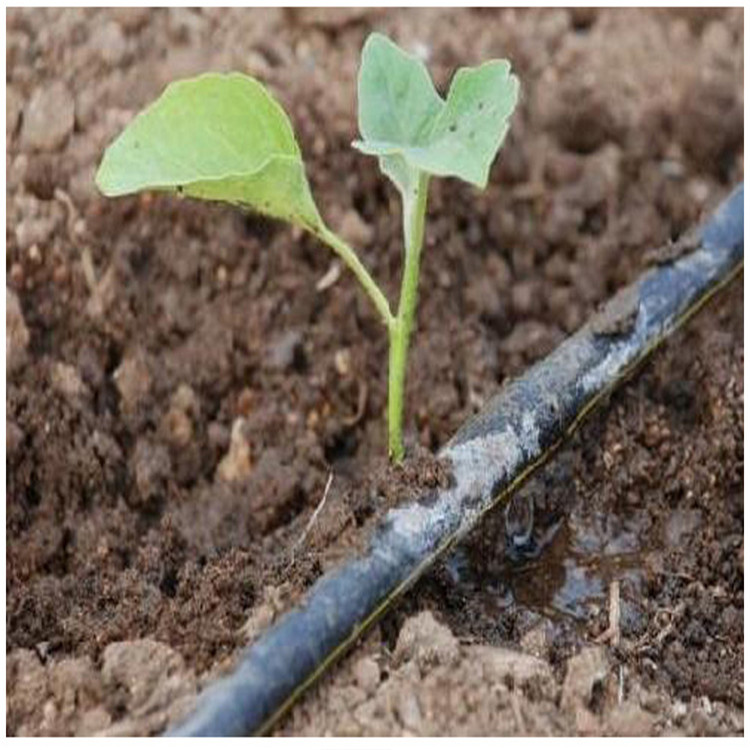
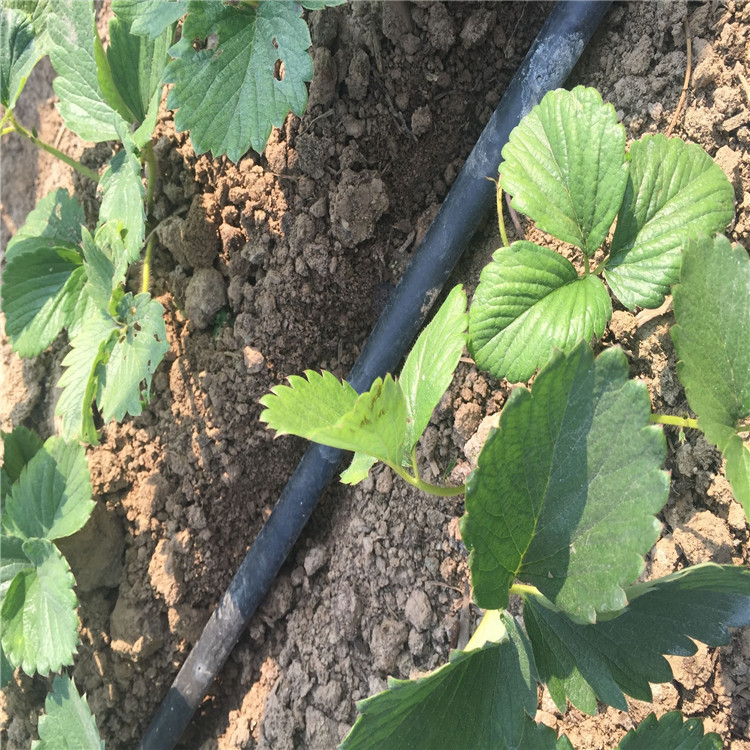
4. The laying ground should be flat to prevent clods, weeds, ditching, etc. from causing a certain distance between the mulch film and the dropper belt, so that the soda drips in the mulch film, forming a lens effect and scalding the drip irrigation belt. In order to prevent burns and crows and magpies pecking the drip irrigation belt, 3.5 cm soft should be covered on the drip irrigation belt after the laying is completed
Soil.
IV. Requirements for use
1. The water entering the drip irrigation belt must be filtered to prevent foreign matter such as sand and soil from entering the dropper belt and blocking the flow.
2. After each drip, open the end of the drip irrigation tape for rinsing.
3. When using the drip irrigation belt, it should be slowly exhausted to prevent local pressure from holding back, causing local pressure to exceed the working pressure and causing damage to the drip irrigation belt.